
Travel Tips
September 17, 20265 min
Best Time to Visit Marrakech: A Seasonal Planner
Plan Marrakech by season, with practical advice for medina walks, Atlas trips, Agafay evenings and attraction bookings.
Read
Is Marrakech safe? A practical, non-alarmist guide to scams, solo travel, taxis, water and medina navigation, based on official travel advice.
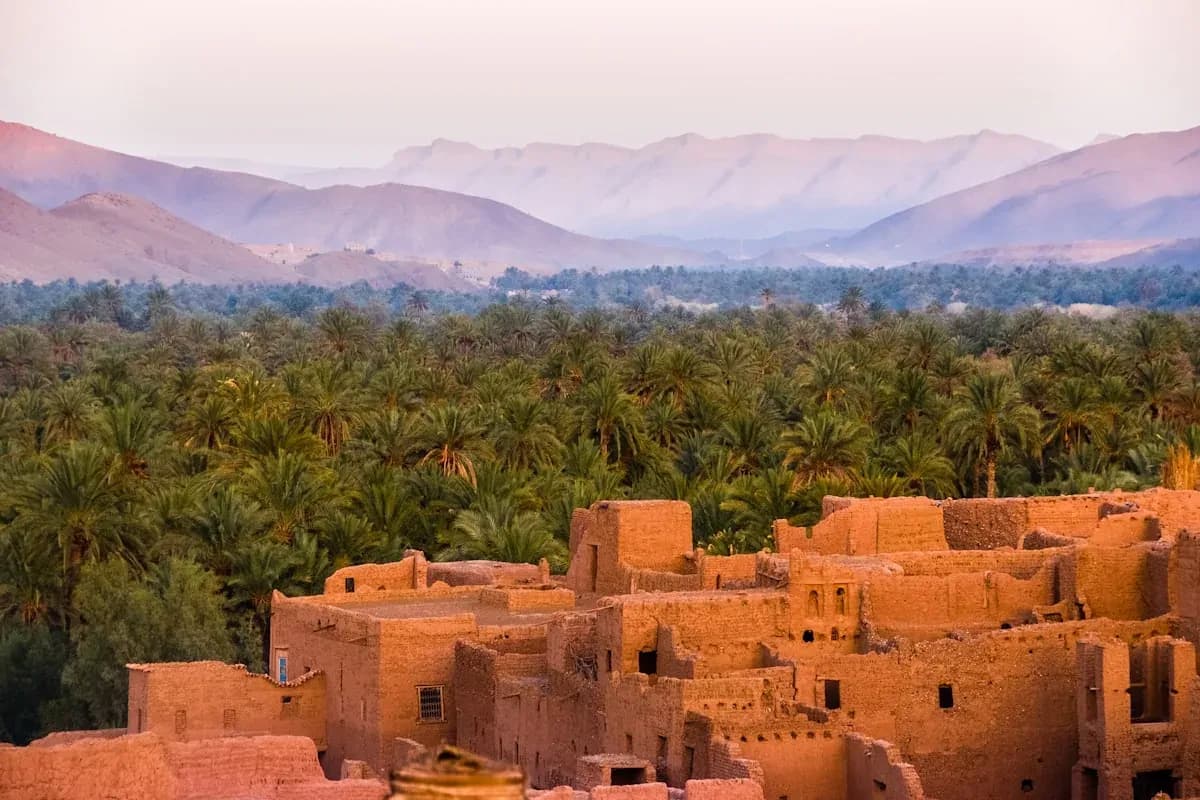
Yes, for the large majority of visitors. Marrakech is one of Africa's most visited cities, millions of tourists pass through every year, and the overwhelming majority of trips are completely trouble free. Violent crime against tourists is rare. The friction most travellers actually run into is persistent vendors, a confusing medina layout and the odd overpriced taxi, not danger.
That does not mean you should switch your guard off. This guide sets out what official travel advice actually says, what it means in practice, and how to avoid the handful of situations that cause most tourists trouble.
The UK Foreign, Commonwealth and Development Office publishes travel advice for Morocco, last updated 19 August 2026 and checked for this article on 16 September 2026. It is a useful baseline because it is specific rather than alarmist.
On safety and security, it notes that pickpocketing and bag snatching happen in tourist areas, particularly medinas and beaches, and that drive by motorbike theft of visible jewellery or handbags occurs. It also flags credit card fraud and confidence tricks, including traders substituting inferior goods after a sale is agreed, so it pays to check what you are handed matches what you agreed to buy.
The advice separately notes that the authorities assess the terrorism threat as significant, which is standard guidance for many popular destinations and calls for ordinary vigilance in crowded, touristic places rather than a change of plans. Demonstrations can occur without warning in Morocco's major cities; if you see one, walk the other way rather than stopping to watch.
None of this is unusual for a busy, world famous city. It is closer to the advice you would get for Barcelona, Rome or Bangkok than to a genuine warning.
The most common friction in the medina involves people offering unsolicited directions or guiding. Someone may insist a route is closed and offer to lead you "the right way", then ask for payment or steer you into a specific shop. The simplest fix is to decline politely and keep walking. If you do want a guide, use one arranged through your riad or booked in advance, and check they carry an official badge rather than accepting an offer from a stranger in the street.
Aggressive begging sometimes happens near ATMs. Use machines inside banks or hotels where possible, and keep your card and PIN shielded as you would anywhere.
Carpet and craft shops occasionally use high pressure sales tactics once you are seated and served tea. There is no obligation to buy because you accepted hospitality. Leaving a shop empty handed is completely normal in the souks, and a firm, friendly "no thank you" ends most exchanges.
Daytime walking in the medina and the main tourist areas is straightforward, if crowded. The genuine hazard is more often a scooter weaving through a narrow alley than a person. Keep to the sides where you can and stay alert around Jemaa el-Fnaa in the evening, when the square is busiest.
At night, stick to well lit, populated streets, the same approach that works in most major cities. Avoid quiet, unlit backstreets after dark, particularly alone, and agree a return route with your riad before heading out for the evening.
Marrakech can involve more unwanted attention for women travelling alone than some destinations, mostly in the form of comments or persistent stares rather than anything more serious. Dressing modestly, covering shoulders and knees in the medina, tends to reduce this. Walking with purpose, avoiding empty streets after dark and booking accommodation with good reviews from solo travellers all help.
Solo female travellers visit Marrakech in large numbers every year without incident. The precautions are about reducing daily friction, not avoiding a dangerous place.
Marrakech's petit taxis are cheap and widely used, but fares are not always metered in practice. Agree the price before getting in, or ask your riad what a fair fare looks like for your route, so you are not negotiating from a position of not knowing. If a driver refuses to agree a price upfront, it is fine to walk to the next taxi.
For anything involving luggage, an airport run, or a day trip outside the city, a private driver booked in advance removes this friction entirely. Fixed pickup times, a known price before you travel and a vetted, professional driver deal with the exact points where casual taxi trips can go wrong. It is the difference between negotiating on the street and knowing exactly what to expect before you leave your hotel.
Stick to bottled or filtered water rather than tap water, and check food and water hygiene generally, particularly with street food from stalls you have not seen recommended. If you do get an upset stomach that involves vomiting or diarrhoea lasting more than a day or two, see a doctor rather than waiting it out.
Stray dogs are common in and around the city; admire them from a distance rather than approaching or feeding them, since rabies circulates in stray animal populations in Morocco. Henna is offered frequently in tourist areas and can trigger allergic reactions, including swelling and rash, in some travellers, so ask what is in the paste before agreeing to a design, and consider a patch test if you are cautious.
Public healthcare in Morocco has limited capacity; private clinics operate to a noticeably higher standard. Comprehensive travel insurance that covers private treatment is worth arranging before you travel, and it is sensible to check current vaccination recommendations around eight weeks ahead of your trip.
Marrakech is safe for the vast majority of travellers who take the same basic precautions they would in any major, busy tourist city: agree taxi fares upfront, decline unsolicited guides, stay alert at night, drink bottled water and keep valuables out of sight. The real risks are petty theft and mild hassle, not danger, and both are easy to reduce.
Booking your transfers, day trips and airport pickups through a vetted local operator removes several of these friction points before they happen: no fare negotiation, no uncertainty about who is meeting you, and a professional driver rather than an unofficial one. See our day trips from Marrakech guide for options that come with a driver already arranged.
For planning the rest of your trip, our guides to things to do in Marrakech, a Marrakech itinerary for 3, 4 or 5 days and the best time to visit Marrakech cover the practical planning that goes alongside staying safe.
Q: Is Marrakech safe for solo female travellers? A: Yes, in large numbers, though expect more comments or stares than in some destinations. Dressing modestly, walking with purpose, avoiding empty streets at night and choosing well reviewed accommodation all reduce the daily friction most solo women report.
Q: Is the medina safe at night? A: The main, well lit and populated areas are fine for an evening out. Avoid quiet, unlit backstreets after dark, especially alone, and agree a route back to your riad before you head out.
Q: Are taxis safe in Marrakech? A: Physically yes, but fares are not always metered in practice. Agree the price before you get in. For airport transfers or day trips, a pre-booked private driver avoids the negotiation entirely.
Q: Is tap water safe to drink in Marrakech? A: Stick to bottled or filtered water to be safe, and apply normal food and water hygiene, particularly with street food. If stomach symptoms last more than a day or two, see a doctor.
Q: Is Marrakech more dangerous than other big tourist cities? A: No. Official travel advice for Morocco is broadly comparable to advice for other major tourist destinations. Violent crime against tourists is rare; petty theft, scams and mild hassle are the realistic risks, and all are manageable with ordinary vigilance.